A casino race minimum bet sets the floor on every wager during a timed betting round, and that figure shapes how long a session lasts as much as the odds do. I have spent four decades running tables across four regions, and the pattern is consistent: players who ignore the minimum often burn through a stake before the pace settles. When you compare timing against notes on Perth gambling forums, where slow transfers get flagged fast, you start to see why a clear minimum matters more than a flashy welcome offer. The right floor keeps play measured, and the wrong one turns a quiet arvo into a rushed exit.
How the minimum bet is set and where it bites

Casino race minimum bet structures are usually fixed by the operator before a round opens, then locked until the next cycle. In practice, that means a table or digital race will publish a base amount – often $1 or $2 to start – and every bet placed during that window must meet or exceed it. I have trained dealers to call the floor early and often, because a player who assumes a lower limit exists will hesitate at the marker and slow the whole shift. The minimum is not a suggestion; it is the entry ticket for each round, and it applies to every wagerer at the table, not just the biggest stack.
Down Under, the figure tends to sit lower than what you see in many US card rooms, where minimums can climb quickly once the room fills. In the UK and parts of Europe, fixed-odds terminals and race-style rounds sometimes run with tighter floors on weekday evenings, then step up at peak hours. Here in Australia, operators generally keep the entry point accessible but leave room to raise it between rounds, which is why I always tell new players to check the posted figure before they sit. A $1 floor can feel gentle until three other players are stacking $5 chips and the pace quickens.
Adelaide rooms I have worked with tend to post the minimum on a board near the dealer’s tray and repeat it at the start of each cycle, which cuts down on confusion. That habit matters because a race format rewards rhythm, and a player who is still asking about the floor is already half a beat behind. If you are comparing timing against notes on responsible gaming research, you will find that unclear minimums are one of the small friction points that turn a calm session into a hurried one. The fix is simple: confirm the figure, then decide your stake around it rather than around the hope of a quick win.
Where the minimum sits inside the broader betting picture
A casino race minimum bet does not exist in isolation; it interacts with the round length, the number of active players, and the way the operator structures each cycle. On a busy shift, the minimum stays the same but the number of bets per minute rises, so your bankroll wears faster than the figure suggests. I have run pits where the same $2 floor felt comfortable at 8pm and punishing by 10pm, simply because the table was busier as the crowd thickened and the dealer’s rhythm tightened. That is why I tell trainees to read the room, not just the board.
The minimum also shapes how you approach side bets and optional extras. Some race formats let you add a small side wager that carries its own lower floor, while others bundle everything into one base amount. When I am judging a new setup, I look for clarity first: a player should know whether the minimum applies to the main bet only or to every line on the layout. That distinction matters because a low main minimum with a higher side floor can catch someone who is counting on a cheap entry. I have seen sessions drift off-course when a player assumed the side bet shared the same floor as the primary wager.
If you are weighing how a room handles its minimums alongside other play options, it helps to compare notes on local gardening clubs, where regulars talk about pacing and patience in a way that maps surprisingly well onto a measured table session. The point is not to borrow a hobby; it is to recognise that a steady minimum works best when the player has a plan for the whole round, not just the first bet. I have always favoured rooms that state the minimum plainly and keep it steady across a shift, because that gives everyone a fair starting line.
Licensing, support, and the controls that surround the minimum
The minimum bet is only one part of the picture; the licence on the wall, the security around the table, and the support available when a session stops going your way all carry weight. A casino race minimum bet should sit inside a room that can show its licensing position clearly, keeps transaction records tidy, and offers a straightforward path to ask a question without queuing for twenty minutes. I have worked shifts where the pit boss could answer a query in one sentence and others where the same question bounced between three staff members; the difference shows up in how comfortable a player feels when the pace picks up.
Support matters most when the minimum is low enough to invite frequent betting. A smaller floor can keep a session alive, but it can also nudge a player into more rounds than they planned, which is why responsible-play tools need to be visible rather than buried in a menu. I have always judged a room by whether a player can set a loss limit, take a break, or check their session history without being sent through a maze. Privacy counts too: a clean table operation keeps your details handled carefully and does not leave betting slips or screen logs lying around after a shift ends.
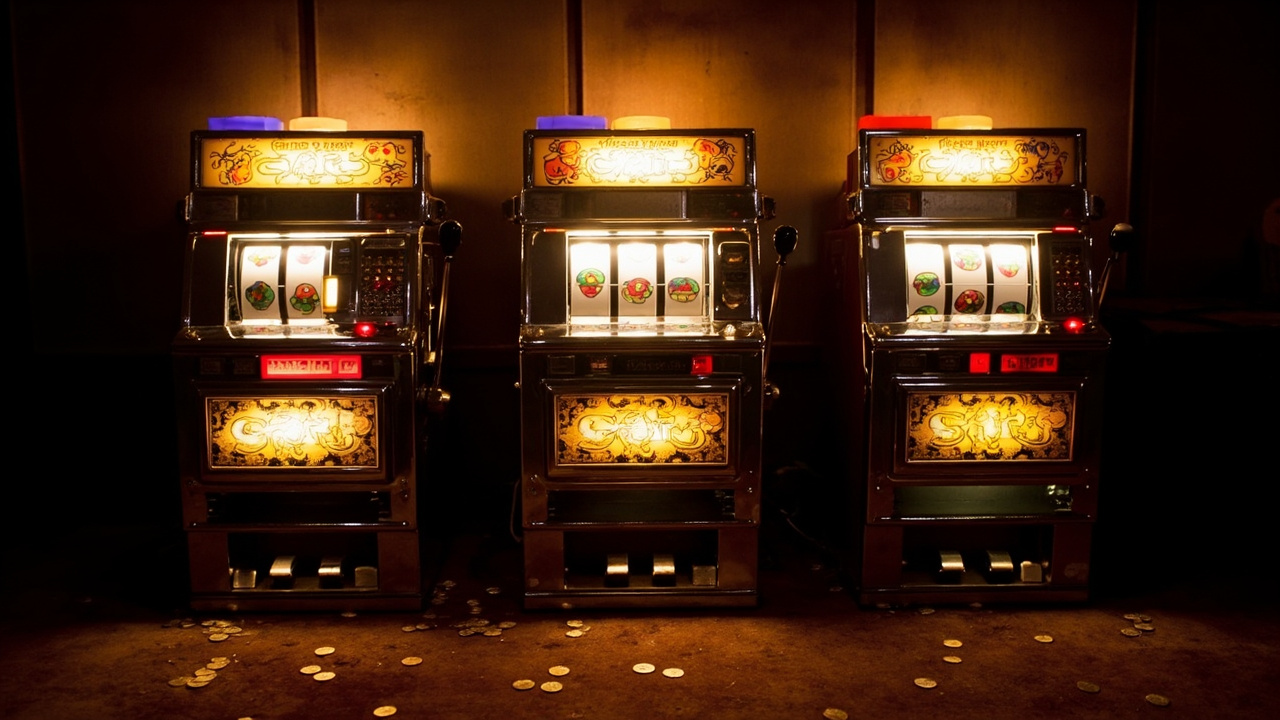
The Interactive Gambling Act 2001 shapes how online offerings are treated in practice, and that context is worth keeping in mind when you compare a physical room to any digital race-style product. The Act does not make offshore play licensed or regulated here, so I steer players toward operations that are clear about where they sit and what rules apply to them. A measured room will tell you plainly what jurisdiction it operates under, what support channels are open, and how it handles a request to slow down or stop. That kind of clarity is worth more than a low minimum that looks attractive on a busy night.
A practical read for players weighing the floor
If you are trying to decide whether a casino race minimum bet suits the way you actually play, the first question is not the figure itself but the pace it creates. A low minimum can stretch a session and give you more time to read the rhythm of a round, which I have found works well for players who like to stay in the game without stacking large chips early. A higher minimum suits someone who wants fewer decisions per hour and a tighter feel to each cycle; I have trained both styles and neither is wrong, provided the player knows which one they are signing up for.
The second question is how the minimum behaves when the room gets busy. Some operators keep it steady across a shift, which I prefer because it removes guesswork and lets a player plan around a known figure. Others step it up between rounds or between peak periods, which can be fair if it is posted clearly and signalled before the next cycle starts. I have always reckoned that a transparent step-up is better than a hidden one, because a player who is surprised at the marker is the last person to notice until their stake is already thinner.
A third question is whether the rest of the room supports the minimum with clear rules, steady dealer calls, and a pit team that can answer a question without fuss. I have worked rooms where the floor was low but the operation around it was sloppy, and that combination wears on a player faster than a higher minimum with a clean run. If you are after a session that feels measured rather than rushed, look for a room that treats the minimum as part of the whole setup, not as a marketing line. The right fit is the one that matches your pace, your stake, and your tolerance for a busy table.
- Confirm the posted minimum before you sit, and ask whether it applies to the main bet only or to every line on the layout.
- Check how the minimum behaves during busy periods; a steady floor across a shift is easier to plan around than one that steps up without warning.
- Look for a room that states its licensing position plainly and keeps support channels open without sending you through a long queue.
- Use responsible-play tools before the round opens, including a loss limit and a break option, so the minimum does not quietly stretch your session.
- Keep your stake plan tied to the minimum rather than to the hope of a quick result, and step away if the pace no longer suits you.
A casino race minimum bet is best treated as the starting line for a session, not the whole race. I have seen players do better by matching the floor to their pace, their stake, and the way a room runs its shifts, and I have seen others drift when they chase a figure that looked cheap on the board. If the minimum is clear, the support is reachable, and the room runs a steady operation, the figure can work for a measured session without turning the night into a scramble. If any of those pieces is missing, the minimum alone will not carry the weight, and it is worth finding a room that treats the floor as part of a proper setup rather than a hook.